Ghost Playing Ice Hockey Halloween
A Designer’s First Glance: Playful, Punchy, and Perfectly Seasonal
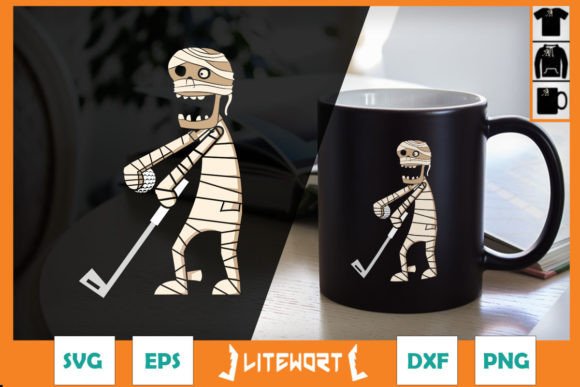
When Ghost Playing Ice Hockey Halloween popped up in my design queue, I paused—not because it’s flashy, but because it’s disarmingly clever. It’s not just a spooky silhouette or a generic hockey motif; it’s a character with personality: a translucent, grinning ghost mid-slalom, stick raised, puck trailing a subtle trail. The composition is balanced—compact enough for small items, yet expressive enough to read clearly at 3–4 inches tall. As a machine embroidery design, its visual rhythm suggests strong satin stitch legs, clean fill-stitch body gradients, and intentional negative space around the ghost’s edges to avoid “blobbing” on fabric. It feels like a handmade product waiting to happen—not a clipart afterthought.
Real-World Stitch Test: Tote Bag, Sweatshirt, and Nursery Pillow
Last week, I prepped three real projects using Ghost Playing Ice Hockey Halloween: a heavyweight cotton tote for a local rink’s fundraiser, a soft fleece sweatshirt for a teen client, and a linen-cotton blend pillow cover for a baby’s Halloween-themed nursery. On the tote? Crisp, confident stitching—no puckering. The ghost’s rounded form translated beautifully into satin stitch curves, and the hockey stick’s thin line held up without breakage. On the sweatshirt, I added light tear-away stabilizer beneath medium-weight cutaway—critical for stretchy fleece—and the design retained sharpness in the ghost’s eyes and stick grip. The pillow cover was the true test: fine linen, low thread tension, and zero room for error. Here, Ghost Playing Ice Hockey Halloween shone—not too dense, no tiny interior details that vanished into texture. Customers commented on how “surprisingly readable” it looked, even from across the room.
Where It Fits Best (and Where to Pause)
This isn’t a one-size-fits-all embroidery file. It thrives on custom apparel like crewnecks, joggers, and structured caps—especially when placed front-and-center or on the sleeve. It’s also ideal for embroidered patch backing (the SVG and EPS files make vector scaling seamless) and as a tote bag design for craft fairs or boutique branding. Holiday embroidery buyers love its specificity—it’s not “generic Halloween,” it’s *story-driven*. That builds instant recognition and buyer engagement.
But caution applies in certain spots: avoid cramming it into hoops smaller than 4×4 inches—the ghost’s curved arms and stick taper lose definition. On thin fabrics like baby onesies or lightweight tea towels, use a soft cutaway stabilizer to prevent shadowing or distortion. Dark fabric demands high-contrast thread colors (think lime green ghost on navy, not pale grey); always test your thread colors on scrap first. And skip stretchy knits unless you’re confident in your stabilizer stack—this design relies on clean edge definition, which stretch can blur.
What This Design Says About Your Brand
Using Ghost Playing Ice Hockey Halloween signals thoughtful curation—not just seasonal relevance, but personality. For an Etsy seller or small shop product, it adds wit and warmth without sacrificing professionalism. Buyers notice when a holiday embroidery feels handmade, not mass-produced. That perception lifts perceived value, supports premium pricing, and deepens customer trust—especially for personalized gift orders where uniqueness matters. It also works quietly for commercial embroidery clients who want lighthearted team spirit (think youth hockey leagues or rink staff apparel).
Practical Designer Notes Before You Stitch
- Always test on scrap fabric matching your final project’s weight and stretch—stitch density behaves differently on fleece vs. canvas.
- Review the stitch density in your embroidery software—if fill areas feel overly heavy, reduce density by 5–8% for breathable fabrics.
- Confirm hoop size compatibility before digitizing or resizing; the included PDF and PNG help visualize scale quickly.
- Inspect corners and thin lines in the SVG and DXF files—if you plan applique work, check seam allowances and cut paths.
- Run black-and-white mockups to assess contrast—this design’s charm lives in its silhouette, so clarity > complexity.
- Use proper stabilizer: cutaway for knits, tear-away for stable wovens, and optional topping for napped fabrics like terry cloth.
- Verify licensing terms before selling finished items or bundling the digital embroidery file—this is a Graphics asset, not automatically commercial-use cleared.
Beyond the Hoop: A Craft Business Asset
As a craft business owner, I treat designs like Ghost Playing Ice Hockey Halloween as multi-use design assets. I’ve used the PNG for social media banners, the SVG for custom iron-on transfers, and the PDF for printable mockups in client pitches. Its versatility across Crafts categories—apparel, home goods, nursery decor—means one purchase supports multiple product lines. For creative entrepreneurs, that’s efficiency with intention. It doesn’t shout; it invites a smile, then earns repeat orders because it stitches well, sells easily, and feels authentically made.
Final Thought: It’s Not Just a Ghost—It’s a Conversation Starter
In a sea of pumpkin and bat motifs, Ghost Playing Ice Hockey Halloween stands out by being specific, joyful, and technically sound. It’s the kind of embroidery project that makes customers say, “Where did you get that?”—not just “That’s cute.” Whether you’re embroidering a last-minute holiday gift, stocking a small shop, or building a cohesive handmade product line, this design delivers more than theme. It delivers confidence—in your stitch, your brand, and your next great idea.