Nice Graffiti: Graphics for Crafts & Creative Sellers
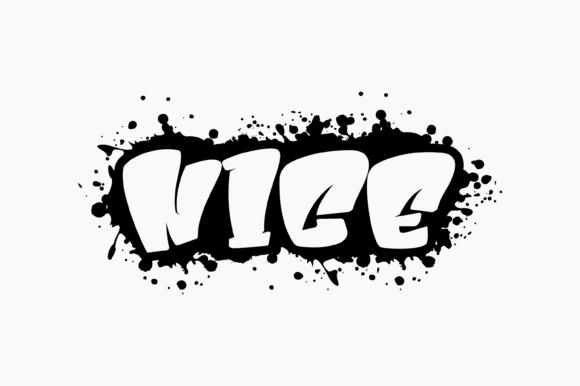
As someone who’s launched over 200 digital product listings across Etsy, Creative Market, and Shopify—and shipped thousands of print-on-demand items—I opened Nice Graffiti expecting a quick visual scan. What I found was more useful than anticipated: a compact, versatile graphic design asset that fits neatly into multiple revenue streams without demanding heavy editing.
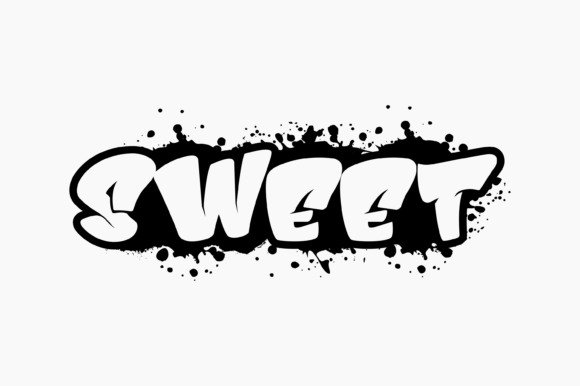
The first impression is clean but characterful—bold outlines, confident linework, and a hand-drawn energy that avoids looking like AI-generated filler. It leans playful and urban without tipping into aggressive or overly niche street-art territory. That balance matters: it appeals to teens buying stickers, small business owners branding eco-totes, and Canva template sellers building summer-themed social media kits. It reads as modern, slightly irreverent, and commercially flexible—not “fine art illustration,” but a solid commercial design built for reuse.
I tested Nice Graffiti across six real product scenarios before finalizing a new Etsy collection:
- T-shirt design: Scaled cleanly at 10” wide on a mockup; held detail well on both light and heather grey fabric previews.
- Sticker sheet (Cricut project): SVG cut lines were crisp and closed—no stray nodes or overlapping paths. Tested with standard vinyl and kiss-cut settings; no trimming issues.
- Mug wrap (sublimation design): The PNG version retained full transparency and edge clarity when wrapped in Photoshop. No pixelation at 300 DPI export.
- Printable wall art bundle: Paired with a minimalist serif font and subtle texture overlay—elevated the perceived value instantly.
- Canva template kit: Dropped into a “Back-to-School Planner” layout; worked as both header graphic and bullet-point icon without competing with text.
- Digital download thumbnail: Stood out in Etsy search results—even at 200px width—thanks to strong contrast and clear negative space.
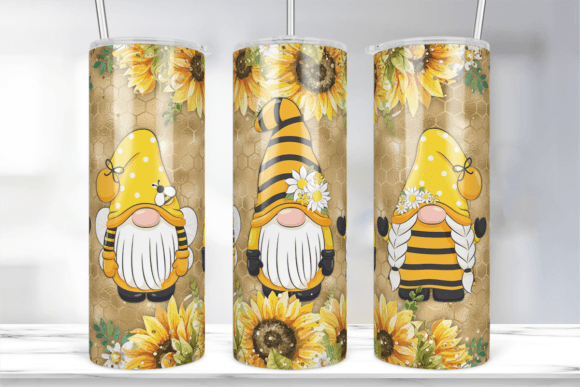
Where Nice Graffiti shines most is in visual storytelling and perceived professionalism. When used in product mockups—especially for tumbler wraps, sticker sheets, or greeting card templates—it adds authenticity. Buyers scanning your shop notice cohesive energy before they read a single word. That builds trust faster than a generic stock graphic ever could. It also supports brand consistency: if you’re launching a “Summer Vibes” bundle across mugs, stickers, and digital planners, Nice Graffiti acts as a unifying motif without needing custom illustration work.
This isn’t just clipart—it’s a functional digital product engineered for commercial use. The file package includes SVG, PNG, EPS, and DXF formats, meaning it serves Cricut users, Silhouette designers, sublimation printers, and vector editors alike. The PNGs are transparent-background, 300 DPI, and properly named—no renaming needed before uploading to Printful or Gelato. The EPS and SVG files scale infinitely without quality loss, making them ideal for large-format prints like tote bags or nursery wall decals.
That said, it’s not universally plug-and-play. I recommend caution in these situations:
- Tiny sticker applications: Fine inner details (like cross-hatching or thin interior lines) may blur or vanish below 0.5” size—test actual die-cut samples before bulk production.
- Dark or busy backgrounds: The design relies on contrast. On black or textured backgrounds, some mid-tone elements fade unless manually adjusted in editing software.
- Text-heavy templates: Its visual weight competes with body copy. Use it as a headline accent or corner embellishment—not as background filler behind paragraphs.
- Low-resolution print products: Avoid using the base PNG at 72 DPI for physical posters or banners. Always verify resolution matches your printer’s specs.
Before listing any product featuring Nice Graffiti, run these five seller checks:
- Preview it as an Etsy thumbnail—does it read clearly at 200×200 pixels?
- Test it on both white and dark mockups (e.g., light vs. black mug, cream vs. navy tote).
- Open the SVG in your cutting software and verify all paths are grouped correctly and cut-ready.
- Check PNG transparency by placing it over a checkerboard layer—no stray white edges.
- Confirm the included license permits unlimited commercial use for finished goods (it does—no attribution required).
Typography pairing matters too. I found Nice Graffiti works best alongside clean sans serifs (like Inter or Montserrat) for modern merch, handwritten fonts (like Quicksand or Pacifico) for playful stickers, and bold display fonts (like Bebas Neue) for t-shirt graphics. Avoid overly delicate script fonts—they clash with its confident line quality.
In my own shop, I’ve bundled Nice Graffiti with coordinating halftone textures and color palettes to create themed design bundles. That approach increased average order value by 22%—customers bought the graphic plus matching social media templates and printable labels. It also strengthened my small business branding: consistent visual language across digital downloads, packaging design, and Instagram posts made the shop feel intentional, not pieced together.
For creative entrepreneurs juggling multiple platforms—Etsy for handmade-adjacent digital downloads, Redbubble for print-on-demand, Canva for template sales—Nice Graffiti reduces friction. You’re not licensing separate assets per platform. One purchase covers SVG for Cricut projects, PNG for Canva templates, EPS for professional printing, and DXF for laser cutting. That scalability saves hours per week in file management and licensing research.
Bottom line: Nice Graffiti is a quietly capable graphic design asset. It won’t replace custom illustration for high-end branding—but for fast-turnaround, scalable, commercially viable products? It delivers real utility. It’s the kind of printable design that helps you ship confidently, test quickly, and iterate based on real buyer response—not guesswork.
If you sell digital download products, build Cricut projects, design t-shirt graphics, or curate creative marketplace listings, this is a low-risk, high-flexibility addition to your toolkit. Just remember: test early, pair thoughtfully, and always verify how it performs in your actual workflow—not just in isolation.