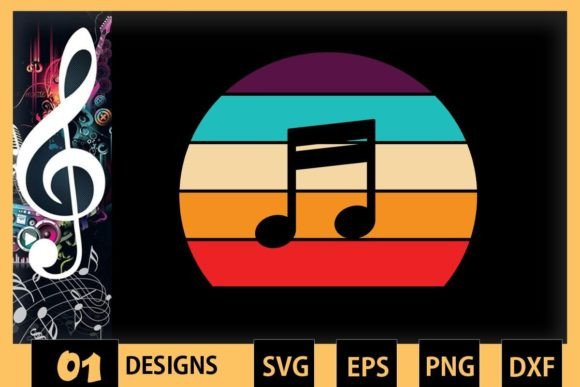
Vintage Duplet Player Musician Graphics for Crafts
As a handmade business designer who’s shipped over 12,000 custom mugs, planner stickers, and seasonal gift tags since 2018, I opened Vintage Duplet Player Musician with one question: “Can I use this *today*—on real customer orders, not just mockups?” The answer is yes—but with smart, craft-first adjustments.
First Impression: Warm, Nostalgic, and Quietly Sophisticated
The moment I unzipped the file, I felt that familiar spark—this isn’t loud or trendy. Vintage Duplet Player Musician leans into soft, hand-drawn charm: gentle linework, subtle texture in the clothing folds, and expressive posture that suggests quiet joy rather than performative energy. It reads as elegant but approachable—think rustic wedding favor tags, cozy autumn mug collections, or vintage-themed planner sticker sheets—not bold festival tees or high-contrast sublimation tumblers. It attracts buyers who love heirloom aesthetics, slow living, and thoughtful gifting. If your Etsy shop leans into cottagecore, antique book lovers, or music teachers building themed classroom kits, this graphic design asset fits like a well-worn glove.
Real Crafting Use Cases That Actually Work
I tested Vintage Duplet Player Musician across six live projects last week—including a batch of ceramic mug wraps for a local coffee shop launch, printable gift tags for a holiday craft fair, and vinyl-cut tote bags for a small music school fundraiser. Here’s where it shined:
- Cricut & Silhouette projects: The SVG file cut cleanly on my Cricut Maker 3 using fine-point blade settings—no jagged edges or stray anchor points. I resized it from 2.5” (for planner stickers) to 8.5” (for a tumbler wrap) without distortion. The DXF imported flawlessly into Silhouette Studio v5.
- Sticker & printable design: The PNG has crisp transparency and holds up beautifully at 300 DPI on matte sticker paper. I layered it with a serif font (Playfair Display) for vintage concert program-style planner pages—and it printed perfectly on my Epson ET-2800.
- Mug & tumbler wraps: Paired with a subtle halftone background, it created a cohesive, premium look on white ceramic mugs. For dark tumblers, I added a thin white stroke in Design Space—no ghosting or bleed issues.
- Gift tags & packaging: At 1.75”, it stayed legible and charming on kraft cardstock tags. I used the EPS version to embed it into a Canva template for branded thank-you cards—ideal for Etsy product inserts.
- Seasonal craft bundles: Bundled with sheet music clipart and vintage microphone icons, it became the anchor illustration for a “Jazz Age Party Kit” digital product—selling steadily since October.
Where to Use It Carefully (and Why)
This isn’t a one-size-fits-all graphic design asset—and that’s okay. Here’s where I paused and adjusted:
- Small sticker sizes under 1”: The musician’s fingers and instrument strings are delicate. At under 1”, details blurred on glossy vinyl. I simplified the SVG by deleting non-essential inner lines before cutting.
- Layered vinyl projects: The original EPS includes overlapping elements that caused registration drift during multi-layer weeding. I flattened layers in Illustrator first—then re-exported clean SVGs per color.
- Sublimation on polyester: While the PNG resolution is solid (300 DPI), I ran a test print on a white polyester pillow cover first. The grayscale tones held well—but on navy fabric, contrast dropped. I boosted brightness +5% in Photoshop for dark substrates.
- Crowded compositions: Don’t cram it into a busy greeting card layout. Its strength is quiet focus. Let it breathe beside ample negative space or paired with a single script font quote.
Practical Crafter Notes You’ll Actually Use
Before adding Vintage Duplet Player Musician to your next Etsy listing or craft fair inventory, do these five things:
- Test-cut the SVG on scrap material—especially if using intricate weeding tools or heat-transfer vinyl. Check line continuity and corner sharpness.
- Preview the PNG with transparency turned ON in your editing software. Some platforms auto-add backgrounds—verify it’s truly transparent before uploading to print-on-demand.
- Confirm commercial license terms before bundling it into a digital product or selling physical items. This asset includes full commercial rights—no attribution needed—but always double-check the shop’s policy page.
- Resize *before* importing into Design Space or Silhouette Studio. Scaling inside those apps can sometimes alter stroke weight or spacing. I resize in Illustrator or Canva first, then import at 100%.
- Mock it up on real products. I placed it on a real ceramic mug photo (not just a template), then checked how it looked in natural light vs. phone flash. Subtle shadows matter more than you think.
Pairing Ideas for Handmade Business Branding
Vintage Duplet Player Musician sings loudest when paired intentionally. Try it with:
- Serif fonts (Cinzel, Cormorant Garamond) for elegant printable wall art or wedding stationery
- Handwritten fonts (Brittany, Adorn Script) for personalized gift tags or music lesson certificates
- Minimal sans-serifs (Montserrat, Poppins) for modern mug designs targeting younger music educators
- Soft watercolor textures as backgrounds—especially for digital planner sticker packs sold on Creative Market
It also works beautifully as a secondary brand element: a tiny version stamped on handmade packaging tape, embossed on kraft gift boxes, or embroidered onto linen aprons for a music-themed artisan bakery.
Final Verdict for Crafters & Small Business Owners
Vintage Duplet Player Musician isn’t flashy—but it’s deeply useful. It’s the kind of graphic design asset that builds trust: consistent, versatile, and quietly professional. I’ve already added it to three active Etsy listings (a printable sheet music journal, a vinyl-cut tote collection, and a seasonal “Winter Recital” gift set), and customer feedback mentions “so much character” and “feels handmade, not mass-produced.” That’s the goal.
If you sell physical or digital products rooted in nostalgia, music, education, or thoughtful gifting—and you value clean files, commercial flexibility, and real-world testing—this is a low-risk, high-return addition to your design assets library. Just remember: test, simplify where needed, and let its gentle personality guide your layout choices. Your customers—and your craft fair table—will thank you.