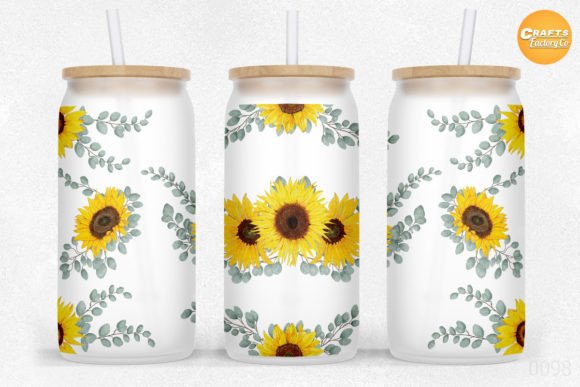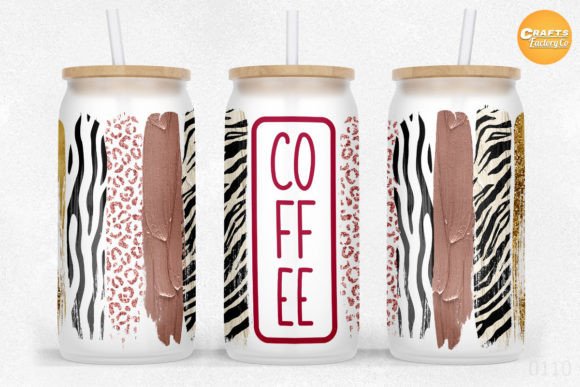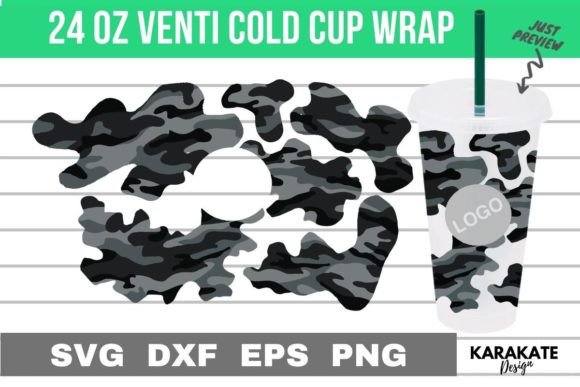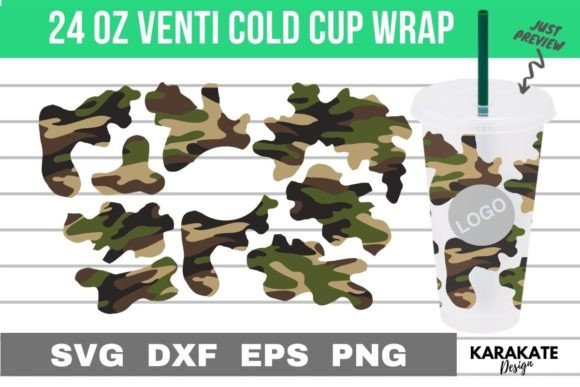
Can Glass Wrap Template for Libbey 16 Oz
A Designer’s First Glance: Clean, Purpose-Built, and Surprisingly Versatile
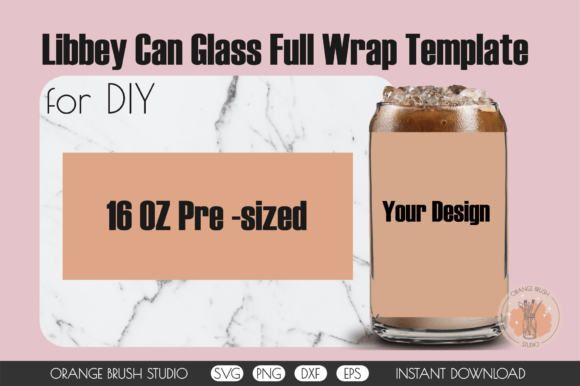
When I opened the Can Glass Wrap Template for Libbey 16 Oz, my first thought wasn’t “cute” or “trendy”—it was “this fits.” As a designer who’s stitched hundreds of custom projects—from boutique baby onesies to holiday market tote bags—I immediately recognized its quiet precision. It’s not a decorative motif or whimsical illustration; it’s a functional wrap template, engineered for one specific vessel: the Libbey Can Glass 16 OZ. That narrow focus is actually its strength. No guesswork, no scaling nightmares, no awkward gaps when wrapping around the curve. The shape hugs the glass’s proportions with subtle tapering at top and bottom—just enough to avoid distortion in satin stitch or fill stitch areas.
Real Project Test: Stitching It Into a Small-Business Tote Bag Line
Last week, I used the Can Glass Wrap Template for Libbey 16 Oz as the anchor design for a limited-run set of linen-cotton blend tote bags—meant for a local coffee roaster’s pop-up shop. We paired it with minimalist monogram initials and a short tagline. The result? A cohesive, professional look that customers kept picking up and turning over to examine. Why? Because the template’s clean outer edge and balanced negative space translated beautifully into embroidery: no crowding, no bleeding, no visual fatigue—even at 8 inches wide. On textured fabric like slub linen, the design held clarity without needing excessive stitch density. That’s rare for wrap-style graphics in the Crafts category.
Where It Shines (and Where to Pause)
The Can Glass Wrap Template for Libbey 16 Oz performs exceptionally well on stable, medium-weight fabrics: cotton twill aprons, canvas pillow covers, midweight sweatshirt cuffs, and even structured tea towels. Its moderate detail level—think crisp outlines, generous letter spacing, and no micro-thin lines—means it stitches cleanly on standard commercial hoops (5x7" and larger). It’s also forgiving on dark fabric: because the design relies on shape and proportion more than intricate shading, thread color contrast stays legible without heavy underlay.
That said, I’d avoid using it directly on:
- Stretchy knits (like baby onesie fabric) without added stabilizer—curved wraps can skew during hooping;
- Ultra-thin fabrics (e.g., lightweight voile), where dense fill areas may cause puckering;
- Caps or curved surfaces—this isn’t a cap-optimized embroidery file, and forcing it onto a rounded crown distorts the wrap geometry;
- Projects requiring tiny text or delicate flourishes—the template prioritizes structural accuracy over ornamental detail.
What It Adds to Your Handmade Product—and What It Doesn’t Promise
This isn’t a standalone artwork. It’s a design asset—a reliable foundation. When used intentionally, the Can Glass Wrap Template for Libbey 16 Oz elevates perceived value: customers instantly recognize it as purpose-built, not generic. That builds trust, especially for Etsy sellers offering personalized gifts or small shop owners branding reusable drinkware sets. It also streamlines mockup work—since the proportions match the real glass, your printable mockups feel authentic, not approximated. But let’s be clear: it doesn’t replace thoughtful customization. You’ll still need to choose thread colors that harmonize with your fabric, select stabilizer appropriate for your machine and material, and test stitch density to avoid stiffness on wearable items like embroidered patches or baby embroidery pieces.
Practical Notes Every Embroidery Designer Should Run Through
Before stitching your first batch—or listing a digital embroidery file built from this template—do these six things:
- Test on scrap fabric first, using your exact thread, stabilizer, and hoop setup—especially if you’re layering it with other elements like applique design or running stitch borders;
- Review stitch density in software: high-density fills may overwhelm lightweight fabrics, while sparse runs can look unfinished on dark backgrounds;
- Confirm hoop size compatibility—while the template fits standard hoops, double-check your machine’s max width before digitizing extensions;
- Inspect corners and curves in your embroidery software: look for jagged vectors or abrupt angle transitions that could snag thread;
- Test black-and-white mockups—if the shape reads clearly in grayscale, it’ll hold up across varied thread colors and fabric textures;
- Verify licensing terms before selling finished products or reselling adapted versions—this is a Graphics asset meant for real project use, not redistribution unless explicitly permitted.
Fitting In: Not Just for Drinkware, But for Brand-Forward Craft Business
I’ve seen designers force mismatched templates onto mugs, tumblers, and glasses—only to spend hours adjusting stitch paths or apologizing to clients about misalignment. The Can Glass Wrap Template for Libbey 16 Oz removes that friction. It belongs in the toolkit of apparel decorators building custom merch lines, craft business owners curating holiday embroidery collections, and creative entrepreneurs launching kitchen-themed boutique products. Use it to brand wholesale orders, elevate personalized gift sets, or add subtle cohesion to a collection of embroidered kitchen towels and napkin sets. It works because it doesn’t try to be everything—it commits fully to one thing, and does it well.
Final Thought: A Quietly Confident Design Choice
If you’re evaluating the Can Glass Wrap Template for Libbey 16 Oz for your next embroidery project, ask yourself: *Does this serve the object—and the customer—without shouting?* For me, the answer is yes. It’s not flashy, but it’s precise. Not trendy, but timeless in utility. And in a world full of overdesigned digital embroidery files, that kind of quiet confidence is exactly what makes a handmade product feel intentional, professional, and worth the price tag.