Silkie Chicken Line Art Tumbler Wrap 24Oz
First Impressions: Delicate, Distinctive, and Surprisingly Versatile
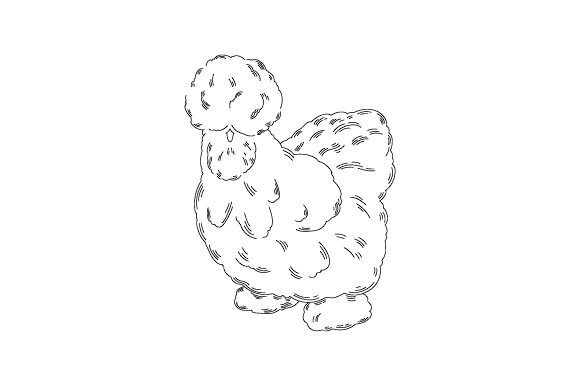
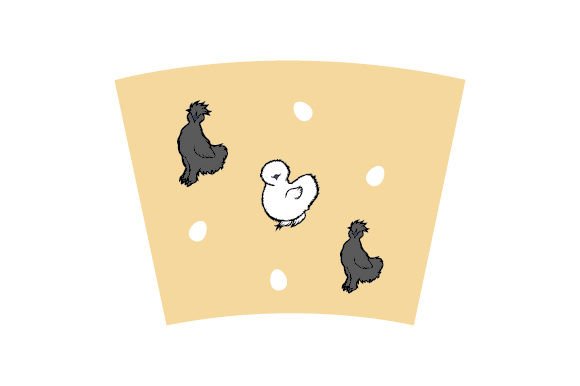
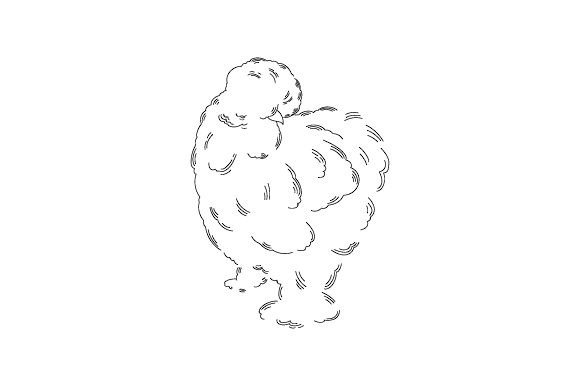
As someone who’s stitched hundreds of animal motifs—from bold fox silhouettes to intricate floral-bird hybrids—I paused when I opened the Silkie Chicken Line Art Tumbler Wrap 24Oz. It’s not flashy. No gradients, no shading, no heavy outlines. Just clean, confident lines tracing the unmistakable fluff-and-feather silhouette of a Silkie chicken: rounded body, crest like a soft cloud, gentle curve of the beak. The composition feels intentional—not cramped, not sprawling—just right for a vertical wrap format. It breathes. That matters more than most designers admit. In embroidery, negative space isn’t empty—it’s where stitch tension settles, where fabric relaxes, where your customer’s eye rests before smiling.
A Real-World Test: Embroidering This on a Linen Tea Towel for a Farmhouse Kitchen Gift
Last week, I used the Silkie Chicken Line Art Tumbler Wrap 24Oz as the centerpiece for a set of hand-stitched linen tea towels—meant for a local boutique’s spring collection. I chose linen because it’s unforgiving: loose weaves catch stray stitches; uneven tension shows instantly. I digitized the line art at 3.8" tall (scaled from the original tumbler wrap proportions), kept all elements as running stitch with light fill accents in the crest and tail feathers, and used medium-weight cutaway stabilizer. The result? Crisp, legible, and quietly charming. Customers didn’t just see “a chicken”—they recognized *that* chicken. The Silkie’s gentle absurdity—fluffy, friendly, faintly regal—came through cleanly. It felt handmade, not mass-produced. That’s the quiet power of well-executed line art in the Animals category: personality without clutter.
Where It Shines (and Where It Asks for Thoughtful Handling)
The Silkie Chicken Line Art Tumbler Wrap 24Oz excels on stable, medium-weight fabrics: cotton canvas tote bags, midweight sweatshirts, structured aprons, and pillow covers. Its linear nature translates beautifully into satin stitch borders or delicate applique edges—ideal for baby embroidery on organic cotton onesies or nursery decor. For custom apparel, it holds up on crewnecks and relaxed-fit tees, especially when placed on the chest or upper sleeve. As an embroidered patch, it reads clearly even at 2.5", making it perfect for denim jackets or market bag tags.
But—and this is critical—don’t rush it onto textured or unstable surfaces without testing. On terry cloth kitchen towels? The lines can blur unless you reduce stitch density and add tear-away topping. On stretchy jersey or thin rayon? Stabilizer choice becomes non-negotiable: cutaway + topping, no exceptions. And avoid placing it across deep seams or curved cap fronts unless you’re willing to split and reposition the design manually. The crest detail is subtle—not tiny, but fine enough that dense fill stitches would overwhelm its charm. Think running stitch first, fill stitch second.
What It Adds to Your Craft Business (Beyond Just Stitching)
For Etsy sellers and small shop owners, this isn’t just another digital embroidery file. It’s a mood-setter. Pair it with neutral thread palettes—oatmeal, slate, charcoal—and it reads artisanal and grounded. Use buttery yellow or dusty rose thread? Suddenly it’s a personalized gift for a new poultry keeper or a whimsical baby shower. That flexibility boosts perceived value. Customers trust designs that look intentional, not generic—and the Silkie Chicken Line Art Tumbler Wrap 24Oz delivers that quiet confidence. It also works seamlessly in printable mockups: the clean vector lines scale flawlessly for product previews, social posts, and shop banners. No pixelation, no guesswork.
Practical Designer Notes Before You Stitch
- Always test first—on scrap fabric matching your final project’s weight and stretch.
- Check thread color contrast carefully: light threads on dark fabric need slightly heavier stitch density; dark threads on light benefit from cleaner line definition.
- Review stitch density—this design doesn’t need heavy fills. Over-digitizing kills its airy appeal.
- Confirm hoop size compatibility: while the original is sized for a 24oz tumbler wrap, scaling down for caps or up for blankets requires manual adjustment—don’t rely on auto-resize.
- Inspect small details in your embroidery software: the crest tip and wing curve should remain unbroken at any practical size.
- Test black-and-white mockups to verify clarity—line art must read without color crutches.
- Compare light vs. dark fabric backgrounds in your design preview—some line weights disappear on busy textures.
- Use proper stabilizer: medium cutaway for woven fabrics; cutaway + topping for knits or naps.
- Verify licensing before selling finished items or bundling the Silkie Chicken Line Art Tumbler Wrap 24Oz in digital product kits—commercial use rights aren’t implied by format alone.
Final Thought: A Design That Respects the Maker and the Market
This isn’t a “more is more” embroidery file. It’s a Crafts-first piece—designed for clarity, built for repetition, and balanced for real-world wear. Whether you’re stitching a single holiday embroidery gift or producing a batch of boutique aprons, the Silkie Chicken Line Art Tumbler Wrap 24Oz supports your craftsmanship instead of competing with it. It leaves room for your voice—the thread choice, the placement, the fabric story—to shine alongside the chicken’s quiet, fluffy dignity. In a market flooded with overworked motifs, that restraint is rare. And valuable.